Table of Contents
Dog poop is not just a gross backyard chore. It can also be a way sickness spreads from one dog to another. If an infected dog leaves waste in the yard, another dog may be exposed by sniffing it, stepping in it, licking their paws, eating grass near it, or contacting contaminated soil.
At Fresh Yard Co., we work with Lincoln homeowners who love their dogs but do not want their backyard turning into a health gamble. One thing we commonly see is that waste piles up faster than people expect, especially with multiple dogs, fenced yards, and busy families.
This page is not a replacement for veterinary advice. If your dog is vomiting, has diarrhea, seems weak, refuses food, has blood in stool, or may have been exposed to parvo or parasites, call your veterinarian. This guide is here to explain why regular yard cleanup matters and how dog waste can contribute to dog-to-dog illness.
How Can Dog Poop Make Other Dogs Sick?
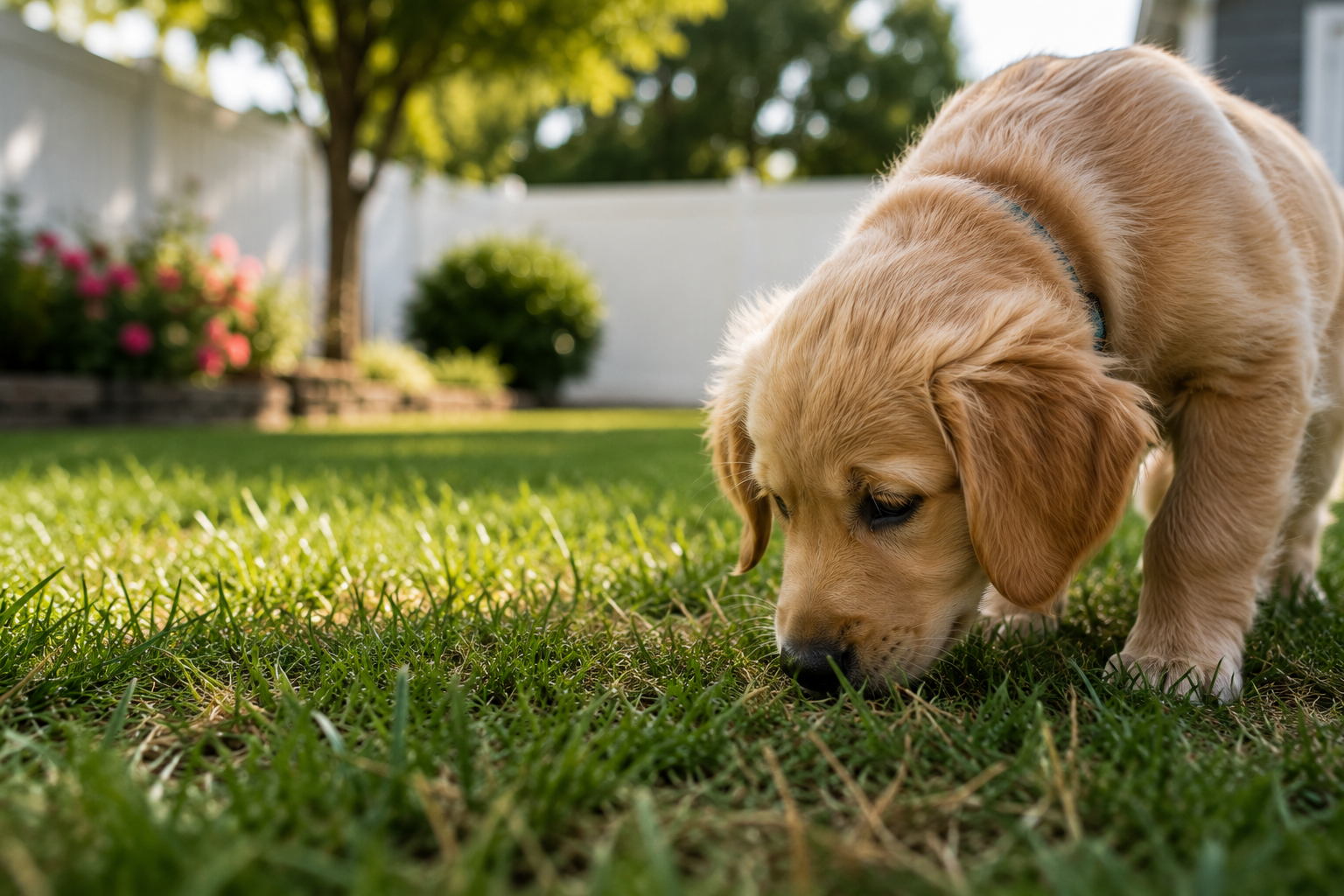
Dog poop can make other dogs sick when infected feces contaminate the grass, soil, paws, toys, water bowls, or surfaces another dog touches. Dogs explore with their noses and mouths, which makes waste exposure more common than many owners realize.
A dog does not have to directly eat a pile of poop to be exposed. Sometimes the risk comes from the residue left behind. Waste can smear into grass, break down into soil, or get tracked around the yard after rain or foot traffic.
Sniffing Contaminated Waste
Dogs investigate by smell. If the waste contains parasites, bacteria, or viruses, close contact may increase exposure risk.
Stepping in Waste
Dogs can track fecal residue on their paws, then lick their feet or bring contamination into the home.
Eating Grass or Poop
Some dogs eat poop, chew grass, or lick the ground. That makes infected waste more than just a smell problem.
Rain Spreading Residue
Rain can break waste apart and spread contamination through nearby grass, soil, and drainage areas.
What Can Dogs Catch From Dog Poop?
Dogs may be exposed to parasites, bacteria, viruses, and protozoa through infected dog waste. The exact risk depends on whether the dog leaving the waste is infected, how long the waste sits, weather conditions, yard traffic, and whether other dogs contact the area.
| Possible Risk | How It Can Spread | Why Dog Owners Should Care |
|---|---|---|
| Roundworms | Eggs can pass through feces and contaminate soil. | Dogs may ingest contaminated soil, grass, or residue. |
| Hookworms | Larvae can be associated with contaminated feces and soil. | Exposure may happen through contact with contaminated areas. |
| Whipworms | Eggs can be shed in feces and survive in the environment. | Yards with repeated buildup may become higher-risk areas. |
| Giardia | Can spread through contaminated feces, water, soil, or surfaces. | May cause diarrhea and spread between dogs in shared spaces. |
| Coccidia | Can spread through fecal contamination. | Puppies and stressed dogs may be more vulnerable. |
| Bacteria | Waste can contain bacteria such as E. coli or salmonella. | Contaminated paws, grass, and soil can increase exposure. |
| Parvovirus | Can spread through infected feces and contaminated surfaces. | Puppies and unvaccinated dogs are at serious risk. |
Not every pile of dog poop contains every disease. But the problem is that you usually cannot tell by looking. A yard can look normal and still have contaminated waste sitting in the grass.
Can Dogs Get Parvo From Poop?
Yes. Dogs can get parvo from infected dog poop or contaminated surfaces. Canine parvovirus is a serious and highly contagious disease, especially for puppies and unvaccinated dogs. If parvo is even a possibility, you should contact a veterinarian immediately.
Parvo can spread when infected feces contaminate the environment. A dog may be exposed through direct contact with waste or indirectly through contaminated shoes, paws, tools, surfaces, crates, grass, or soil.
This is one of the biggest reasons Fresh Yard Co. takes sanitation seriously. A professional dog waste removal company should not be casually dragging the same dirty tools and footwear from yard to yard. Clean process matters.
Can Dogs Get Worms or Parasites From Dog Poop?
Yes. Dogs can be exposed to worms and parasites through feces-contaminated yards. Parasites such as roundworms, hookworms, whipworms, giardia, and coccidia can spread when infected waste is left where other dogs can contact it.
This is especially important in shared yards, dog parks, apartment dog areas, boarding facilities, and homes with multiple dogs. If one dog has parasites, the yard can become part of the exposure cycle.
Regular cleanup helps interrupt that cycle. It removes waste before it has more time to break apart, spread, or contaminate areas where dogs play.
Signs a Dog May Be Sick After Poop Exposure
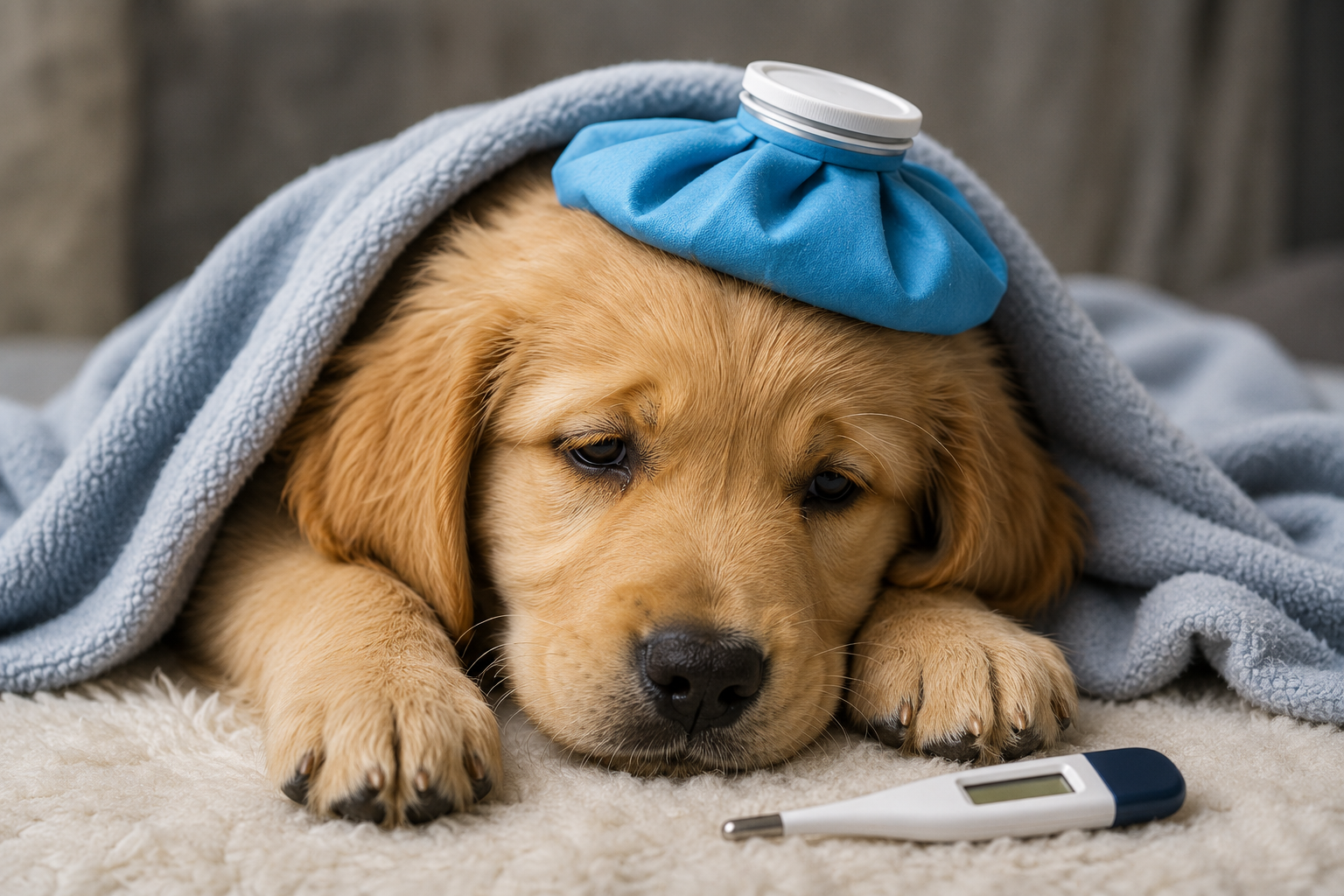
If your dog has been around unknown or infected dog waste, watch for changes in stool, appetite, energy, and behavior. Some illnesses can be mild, while others need fast veterinary care.
- Diarrhea, especially if severe or persistent
- Vomiting
- Blood in stool
- Loss of appetite
- Lethargy or weakness
- Weight loss
- Dehydration
- Worms or unusual material in stool
- Fever or sudden behavior changes
Do not wait on serious symptoms. Puppies, older dogs, and unvaccinated dogs can decline faster than healthy adult dogs.
Does Rain Make Dog Poop Safer?
No. Rain does not make dog poop safe. Rain can soften waste, break it apart, and spread residue into nearby grass and soil. After a storm, the pile may look smaller, but contamination may be spread over a wider area.
In Lincoln, spring rain, summer humidity, and snowmelt can all make waste cleanup more important. Moisture can turn a visible pile into a smeared backyard problem. Then dogs walk through it, paws track it, and the yard smells worse.
Why Multiple-Dog Homes Have Higher Risk
Multiple-dog homes can have higher risk because waste accumulates faster and dogs share the same yard. If one dog is sick, has parasites, or is shedding something contagious, the other dogs may have more chances to contact contaminated waste.
This does not mean you should panic. It means the yard needs a routine. The more dogs you have, the faster the cleanup schedule matters.
| Home Type | Risk Level | Recommended Cleanup Rhythm |
|---|---|---|
| One healthy adult dog | Lower | Weekly cleanup is usually a good baseline. |
| Two or more dogs | Moderate | Weekly cleanup is strongly recommended. |
| Puppy in the home | Higher | Clean more frequently and follow vet vaccination guidance. |
| Dog recently had diarrhea | Higher | Remove waste quickly and ask your vet if symptoms continue. |
| Known parasite or parvo concern | High | Contact your veterinarian and follow disinfection guidance. |
How to Reduce the Risk of Dogs Getting Sick From Poop
The best prevention is simple: remove dog waste consistently, keep dogs current on veterinary care, avoid unknown feces, and clean contaminated items quickly. A clean yard cannot guarantee your dog will never get sick, but it lowers unnecessary exposure.
- Pick up dog poop at least weekly. More often is better for multiple dogs or illness concerns.
- Do not let dogs sniff or eat unknown poop. This matters on walks, trails, parks, and shared spaces.
- Clean paws after contact. If your dog steps in waste, clean their paws before they lick them.
- Wash bowls and toys. Outdoor items can become contaminated if left near waste.
- Keep vaccinations current. Ask your vet about parvo and other recommended protection.
- Use parasite prevention. Follow your veterinarian’s guidance for deworming and prevention.
- Act fast after diarrhea. Loose stool can spread through grass quickly and should be removed as soon as possible.
Why Sanitized Tools Matter
If someone is cleaning multiple yards, sanitation matters. Tools and footwear can contact waste residue. If they are not handled properly, they can carry contamination from one area to another.
At Fresh Yard Co., this is one of the reasons we position ourselves as more than “the guy with a bucket.” Dog waste removal is a trust service. You are letting someone into your backyard, around your pets, and near your home. The process should be clean, careful, and reliable.
That is also why we talk about sanitation in our service. It is not just about making the yard look better. It is about reducing mess, odor, and avoidable exposure.
Dog Waste Cleanup in Lincoln, Nebraska
Lincoln yards deal with heat, rain, snowmelt, humidity, and busy backyard seasons. Those conditions can make dog waste smell worse, break down messier, and spread residue through grass faster than homeowners expect.
Fresh Yard Co. helps homeowners across Lincoln neighborhoods, including South Lincoln, East Lincoln, West Lincoln, North Lincoln, College View, Capital Beach, Belmont, Fallbrook, Indian Hills, and Wilderness Ridge.
How Fresh Yard Co. Helps Reduce Backyard Waste Exposure
Fresh Yard Co. is a local Lincoln dog waste removal company built around a simple promise: Love your dog. Love your yard. We help dog owners keep their yards cleaner, fresher, and easier to enjoy.
Weekly Dog Waste Removal
We remove waste on a consistent schedule so it does not pile up and sit in the yard.
Cleaner Yard for Dogs
Less waste in the grass means fewer opportunities for dogs to sniff, step in, or track residue.
Sanitation-Minded Service
We take tool and footwear sanitation seriously because clean process matters from yard to yard.
Weekly dog waste removal starts at $15/week. Want to know why our service is built differently? Read why Fresh Yard Co. is not the cheapest dog waste removal service in Lincoln.
Final Answer: Yes, Dog Poop Can Make Other Dogs Sick
Dog poop can make other dogs sick when it contains parasites, bacteria, viruses, or infected residue. Dogs may be exposed by sniffing waste, stepping in it, licking their paws, eating contaminated grass, or playing in contaminated areas.
The best protection is a simple routine: pick up waste consistently, keep dogs current on vet care, avoid unknown poop, and take illness symptoms seriously.
Fresh Yard Co. helps Lincoln dog owners keep cleaner yards without adding another chore to the weekend. If your yard has become the forbidden zone, we can help bring it back. No judgment. We have seen things.